
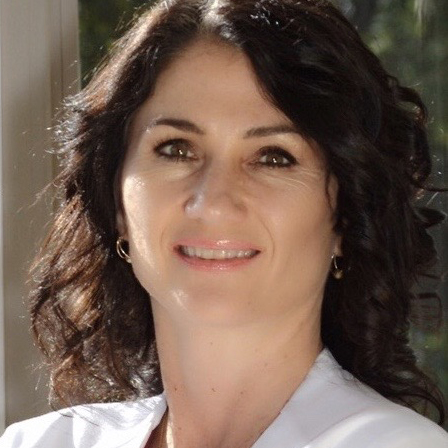
Authored by Dr. Kristi Vaughan, DC, BCN, IFMCP, BSBA.
Concussion treatment starts with safety and a qualified medical evaluation, then moves into a gradual return to activity and symptom-specific follow-up. If symptoms continue, a broader functional medicine assessment may help organize questions about sleep, headaches, mood, nutrition, prior injuries, and daily function. Brain mapping such as QEEG may provide additional context in selected cases, but it is not a stand-alone diagnosis or a replacement for urgent care.
Schedule a free health assessment
What is concussion treatment?
Concussion treatment is the process of evaluating a suspected mild traumatic brain injury, watching for complications, supporting a safe recovery, and addressing symptoms that do not resolve as expected. A concussion can follow a bump, blow, or jolt to the head, or a hit to the body that moves the head and brain quickly back and forth. The CDC notes that these changes can affect thinking, learning, mood, behavior, and sleep.
The right next step depends on the timing of the injury, current symptoms, previous concussions, medications, age, health history, and the activities a person needs to resume. Treatment is not a single supplement, scan, or protocol. It is a clinical process that may include medical assessment, education, activity modification, rehabilitation, and follow-up with the appropriate providers.
If you think you have a concussion, contact a qualified healthcare provider as soon as you can. The CDC explains that people with a mild traumatic brain injury or concussion need to be seen by a healthcare provider. If you cannot visit in person, ask whether an appropriate telehealth option is available. A functional medicine consultation can be part of a later, individualized conversation, but it should not delay emergency evaluation.
When does a concussion need urgent medical attention?
Seek emergency care right away for danger signs after a head injury. Do not wait for a supplement, brain mapping appointment, or routine follow-up if symptoms suggest a more serious injury.
- A headache that becomes severe, worsens, or does not go away.
- Repeated vomiting.
- Increasing confusion, unusual behavior, agitation, or slurred speech.
- Extreme drowsiness or inability to wake up.
- Weakness, numbness, burning, or tingling in an arm or leg.
- A seizure or convulsion.
- Double vision or another sudden, concerning vision change.
- Neck pain or tenderness after the injury.
The CDC lists these findings as reasons to seek care right away. The Mayo Clinic concussion diagnosis and treatment guide also explains that imaging may be recommended for some people, including those with severe headaches, seizures, repeated vomiting, or symptoms that are getting worse. A normal CT or MRI does not answer every question about how someone feels, but the decision to order imaging belongs to a qualified clinician.
How is concussion recovery usually organized?
Recovery is individualized. The goal is not to push through worsening symptoms or remain in complete isolation for an indefinite period. Current patient guidance generally emphasizes a short period of relative rest, followed by a gradual return to activity that stays within the person’s tolerance and follows clinician instructions.
| Recovery stage | What may be considered | What to discuss with a clinician |
|---|---|---|
| Initial safety | Evaluation of the injury, symptoms, neurological concerns, and need for urgent testing or observation. | Danger signs, medications, prior head injuries, and whether emergency or same-day care is needed. |
| Early recovery | Relative physical and mental rest for the first few days, followed by gentle activity as tolerated. | How to pace screens, work, school, driving, exercise, sleep, and other daily tasks. |
| Return to routine | Gradual increases in mental and physical activity without a major symptom flare. | Written guidance for work, school, driving, and sports or other activities with a risk of another head impact. |
| Persistent symptoms | Symptom-specific evaluation and coordination with appropriate specialists or rehabilitation providers. | Headache, balance, vision, sleep, mood, fatigue, memory, attention, and the impact on daily function. |
The CDC recommends resting during the first few days, then easing back into regular activities even if mild symptoms remain, while cutting back if symptoms worsen. It also recommends asking a healthcare provider for written instructions about returning to work, school, driving, or other activities. Avoid activities that could cause another head injury while recovery is still underway.
Return-to-play and return-to-work decisions should not be based only on how eager someone feels to resume normal life. A person may need accommodations, breaks, reduced screen time, or a slower increase in workload. Contact sports and other activities with a risk of another head impact require specific medical guidance.
What if concussion symptoms continue?
Persistent symptoms deserve a fresh assessment, not self-blame and not an assumption that one test will explain everything. The CDC advises follow-up when symptoms do not go away within two to three weeks or become worse after a return to regular activities. Recovery can vary, and symptoms can overlap with other health concerns.
The Living Concussion Guidelines describe prolonged symptoms as potentially physical, cognitive, or psychological. They recommend assessing the specific problems affecting the individual, including headache, mood, balance or vestibular function, eye movement function, memory, and attention. Medication, supplements, substance use, sleep, stress, previous concussions, migraines, neck concerns, and other health conditions may also be relevant to the clinical picture.
A useful follow-up does not treat every symptom as proof of permanent damage. Instead, it asks what changed after the injury, what has improved, what is limiting daily function, and what needs attention first. For one person, sleep and headache management may be the first priority. For another, dizziness, visual strain, mood changes, or difficulty returning to work may need focused evaluation.
For a focused discussion of cognitive slowing and mental fatigue after a concussion, see Vaughan Vitality’s guide to brain fog after concussion. That article covers symptom patterns and warning signs without treating the phrase brain fog as a diagnosis.
How can functional medicine support concussion follow-up?
Functional medicine can provide a whole-person framework for a follow-up conversation after urgent concerns have been evaluated. At Vaughan Vitality, the aim is to understand the patient’s story, identify factors that may be affecting recovery, and decide which questions or referrals deserve attention. This does not mean that every symptom has one hidden root cause or that functional care replaces emergency, primary, neurological, or rehabilitation care.
A careful intake may review:
- The date, mechanism, and immediate effects of the injury.
- Previous concussions, migraines, neck injuries, neurological concerns, and baseline function.
- Changes in sleep, energy, mood, headaches, balance, vision, memory, attention, and sensory tolerance.
- Prescription medicines, over-the-counter products, supplements, caffeine, alcohol, and other relevant exposures.
- Work, school, exercise, screen use, driving, and other daily activities affected by symptoms.
- Nutrition, digestion, stress load, and other whole-person factors that may influence the care plan.
This is consistent with the Vaughan Vitality Roadmap, which starts with reviewing and identifying patterns before moving toward individualized steps to remove barriers, repair foundations, and rebalance and replenish. The practice’s functional medicine services are designed around personalized care rather than a one-size-fits-all concussion promise.
Depending on the findings, a clinician may recommend coordination with another qualified provider. Persistent symptoms may benefit from interdisciplinary care that can include medical, educational, physical, cognitive, functional, and emotional support. The purpose is to help the patient make a safer, more informed next decision.
Where can brain mapping fit into concussion treatment?
Brain mapping, often discussed as quantitative electroencephalography or QEEG, may be considered as one source of information in selected evaluations. A QEEG records electrical activity from the scalp and uses software to organize measurements such as frequency, distribution, relative activity, connectivity, or network function. The result may help a qualified practitioner decide which patterns deserve discussion and whether a neurofeedback conversation is reasonable.
QEEG should not be presented as a stand-alone concussion diagnosis. A color map cannot independently identify a disease, prove the cause of a symptom, or determine a complete treatment plan. Recording conditions, sleep, stress, medications, caffeine, alertness, and electrode contact can affect the data. Results should be interpreted with injury history, symptoms, examination, and other appropriate evaluations.
Vaughan Vitality’s detailed guide answers what QEEG brain mapping may show and why context matters. The existing article on neurofeedback and QEEG in relation to concussions provides additional background on how the practice discusses these tools. The appropriate role of brain mapping depends on the patient’s situation and the clinician’s judgment.
Brain training is also not a promise of a specific result. If a patient is considering neurofeedback therapy in Orange County, the useful questions are what the assessment is intended to add, how progress would be monitored, what other care remains important, and when the plan should be adjusted or stopped.
What questions should you bring to a concussion appointment?
Writing down questions can make a follow-up visit more productive, especially when symptoms change from day to day. Consider bringing:
- What symptoms are most important to monitor right now?
- Which warning signs should send me to urgent or emergency care?
- When can I safely return to work, school, driving, exercise, or sports?
- What accommodations or breaks might help me resume daily activities?
- Could sleep, headache, balance, vision, mood, neck pain, or medication effects be contributing to the way I feel?
- Would I benefit from a referral to neurology, rehabilitation, neuropsychology, vestibular therapy, vision care, or another specialist?
- If QEEG or another brain assessment is suggested, what question is it intended to answer, and how will it be interpreted with the rest of my evaluation?
Bring discharge instructions, a symptom timeline, a current medication and supplement list, and notes about what makes symptoms better or worse. If a family member or trusted support person has observed changes, their notes may also help the clinician understand what has changed from baseline.
Schedule a free health assessment
Frequently Asked Questions
What is the best treatment for a concussion?
There is no single best treatment for every concussion. Care usually begins with qualified evaluation and safety screening, followed by relative rest, a gradual return to activity, and symptom-specific follow-up. Persistent symptoms may require coordination with medical, rehabilitation, cognitive, or other appropriate providers.
Can functional medicine treat a concussion?
Functional medicine may support a broader follow-up evaluation after urgent concerns are addressed, but it should not replace emergency care or a standard medical assessment. The focus may include symptom patterns, sleep, nutrition, medications, stress, prior injuries, and daily function, with referrals or coordination when appropriate.
Can brain mapping diagnose a concussion?
Brain mapping or QEEG should not be used as a stand-alone diagnosis for concussion. It may provide contextual information about recorded brain activity in a selected evaluation, but results need to be interpreted with history, symptoms, examination, and other appropriate clinical information.
When should I seek help for persistent concussion symptoms?
Contact a healthcare provider when symptoms do not go away within two to three weeks, become worse after returning to regular activities, or interfere with work, school, sleep, relationships, or daily tasks. Seek emergency care sooner for danger signs such as worsening headache, repeated vomiting, confusion, weakness, seizure, double vision, or inability to wake.
Does Vaughan Vitality offer concussion care by telemedicine?
Vaughan Vitality offers telemedicine for patients in California and Georgia, but an online visit is not a substitute for emergency evaluation after a head injury. Ask whether telemedicine is appropriate for your situation and follow local emergency guidance when symptoms are urgent. You can learn more about Vaughan Vitality telemedicine before scheduling.
A measured next step for concussion recovery
Concussion treatment is safest when it starts with the right level of medical care and continues with a gradual, symptom-aware plan. If symptoms persist, a structured evaluation can help clarify what has changed, what is limiting daily function, and which questions deserve follow-up. For adults in Costa Mesa and Orange County, or eligible patients in California and Georgia through telemedicine, Vaughan Vitality can discuss whether a functional-medicine health assessment is an appropriate next step.
This article is educational and does not diagnose or treat an individual condition. Call emergency services or seek urgent medical care for danger signs after a head injury.