
Hashimoto’s can leave you exhausted, foggy, or frustrated even when a standard thyroid panel is described as normal. That experience deserves a closer look. Hashimoto’s is an autoimmune disorder in which antibodies, often including thyroid peroxidase (TPO) antibodies, target the thyroid. Conventional care commonly addresses the resulting hypothyroidism with synthetic T4 hormone replacement, such as levothyroxine. That treatment can be important, but it may not answer every question about why symptoms began or continue.
A functional medicine doctor for hashimotos looks beyond hormone levels alone, combining medical history, appropriate testing, nutrition. Lifestyle, and individualized support to help identify factors that may be contributing to autoimmune stress and thyroid symptoms.
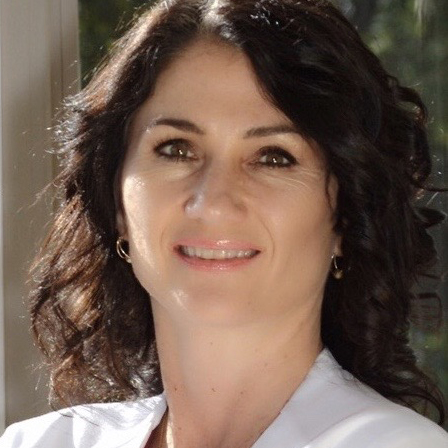
At Vaughan Vitality, Dr. Kristi Vaughan uses The Vitality Roadmap to organize this process around reviewing and identifying patterns, removing obstacles, and supporting the body’s ability to rebalance. Explore our functional medicine for hypothyroidism approach and our comprehensive Thyroid and Autoimmune Care pillar, then consider why two different medical models may evaluate Hashimoto’s from different starting points.
Why Conventional Thyroid Treatment Often Falls Short for Hashimoto’s
Hashimoto’s is not simply a thyroid hormone shortage. It is an autoimmune disorder in which the immune system produces antibodies that target thyroid peroxidase (TPO), a protein involved in thyroid hormone production. That distinction matters because a treatment plan can replace missing hormone while leaving the immune and metabolic factors that may be contributing to ongoing symptoms unexamined.
What standard care does well
Conventional thyroid care has an important role. When Hashimoto’s contributes to hypothyroidism, the standard treatment is synthetic levothyroxine, a T4 hormone replacement designed to work like the thyroxine naturally produced by the thyroid. Medication can help restore hormone availability and is an appropriate part of care for many patients. It should not be stopped or adjusted without guidance from the prescribing clinician.
The challenge is that treatment decisions often center on TSH and T4 results, then follow a wait-and-watch pattern. If the results fall within a reference range, a patient may be told that the thyroid is adequately managed even when fatigue. Brain fog, digestive changes, temperature sensitivity, or other concerns continue. Those symptoms can have multiple causes, so they deserve careful evaluation rather than an assumption that one lab value explains everything.
| Aspect | Conventional Approach | Functional Medicine Approach |
|---|---|---|
| Focus | Replace missing thyroid hormone | Identify why the immune system is targeting the thyroid |
| Testing | TSH, sometimes Free T4 | Complete thyroid panel, antibodies, nutrient and gut markers, environmental factors |
| Treatment | Levothyroxine (T4) medication | Individualized plan including medication support, nutrition, lifestyle, supplementation, and root-cause investigation |
| Success measure | TSH within lab reference range | Symptom resolution, lab optimization, improved energy, digestion, and immune balance |
How the functional medicine model differs
Functional medicine starts with a broader question: what factors may be influencing immune balance, thyroid function, nutrient status, digestion, stress physiology, and the way symptoms are experienced? This does not mean rejecting medication or promising to reverse an autoimmune condition. It means using a different medical model that looks beyond symptom management and considers how the pieces may fit together.
A practitioner may review symptom patterns, health history, medications, nutrition, lifestyle, and relevant testing alongside standard thyroid markers. The goal is to identify opportunities to support the body’s systems and address potential root causes with individualized recommendations. Research has also explored personalized nutritional and lifestyle approaches as supportive care for people with Hashimoto’s. Although recommendations should be tailored rather than based on a universal elimination list.
For a deeper explanation of this model, read Thyroid and Autoimmune Care and learn more about functional medicine for hypothyroidism. Patients seeking a functional medicine doctor in Orange County can use that broader assessment to clarify which next steps may be appropriate.
What Tests Does a Functional Medicine Doctor Run for Hashimoto’s?
Hashimoto’s is an autoimmune condition in which antibodies target the thyroid, including thyroid peroxidase (TPO), a protein involved in thyroid hormone production. Mayo Clinic explains the role of TPO antibodies in Hashimoto’s. Because the immune system, thyroid function, digestion, nutrition, and environmental exposures may intersect, a broader evaluation can provide useful context beyond a single thyroid marker.
A functional medicine doctor in Orange County may select testing based on your symptoms, history, medications, previous results, and goals. Testing is not a checklist for every patient. It is a way to identify which questions deserve a closer look.
Thyroid and antibody testing
A complete thyroid panel commonly includes thyroid-stimulating hormone (TSH), Free T4, and Free T3, along with thyroid antibodies such as thyroid peroxidase (TPO) antibodies and thyroglobulin antibodies. Looking at these results together may help clarify thyroid hormone patterns and whether an autoimmune process is part of the picture. Results still need to be interpreted alongside symptoms and clinical history, not in isolation.
Food, gut, and environmental testing
When digestive symptoms, food reactions, or chronic inflammation are part of the history. A provider may consider food sensitivity testing and a comprehensive stool analysis, such as a GI-MAP. These tests may assess patterns that warrant nutritional or gastrointestinal support. Dietary research in Hashimoto’s has explored personalized approaches, including attention to potential triggers such as gluten and soy and an emphasis on phytonutrient-rich foods. But recommendations should be individualized rather than assumed from a test result alone.
Heavy metal testing and environmental toxin panels may also be considered when exposure history or symptoms suggest that mold, heavy metals, or other environmental factors deserve investigation. The purpose is not to label every symptom as toxicity. It is to determine whether a relevant exposure should be addressed as part of a broader plan.
Hormone and stress-pattern testing
A hormone panel such as the DUTCH test may be useful when menstrual changes, sleep concerns, energy shifts, or stress-related symptoms accompany thyroid complaints. It can add context to hormone metabolism and daily patterns, while not replacing standard thyroid evaluation. At Vaughan Vitality, findings are reviewed within the larger Vitality Roadmap so testing leads to practical next steps rather than an overwhelming list of abnormalities.
Root Causes of Hashimoto’s That Functional Medicine Addresses
Hashimoto’s is an autoimmune condition, but the factors influencing immune balance and thyroid function can vary from person to person. A functional medicine approach does not assume that one diet, supplement, or protocol fits everyone. Instead, it looks for patterns that may be contributing to symptoms and uses those findings to build a more individualized plan.
Gut dysfunction and food sensitivities
Digestive health is often an important place to investigate. Leaky gut, an altered balance of intestinal microbes, and infections such as H. pylori may affect how the body processes food and regulates immune activity. Testing and clinical history can help determine whether gut symptoms, nutrient absorption concerns, or a possible infection deserve attention. Learn more about the potential connection between gut infections and autoimmune triggers.
Food sensitivities are also individual. Gluten and dairy may be problematic for some people, but eliminating foods without a reason can make eating unnecessarily restrictive. Research on nutritional approaches to Hashimoto’s has explored dietary modifications such as avoiding potential triggers. Including gluten and soy, while emphasizing phytonutrient-rich foods, quality fats, fermented foods, and filtered water. Any elimination plan should be purposeful, nutritionally adequate, and reviewed for whether it is actually helping.
Environmental exposures and chronic infections
Mold exposure and heavy metals are additional factors that may warrant investigation when a person’s history and symptoms point in that direction. The goal is not to label every symptom as toxicity. It is to identify meaningful exposures, reduce them when possible, and support the body’s recovery in a measured way. Read about mold and autoimmune disease to understand why environmental history can be relevant.
Chronic or recurring infections may also place ongoing demands on immune regulation. A practitioner can determine whether further evaluation is appropriate rather than treating an infection based on symptoms alone.
Nutrient status and stress physiology
Nutrient deficiencies can develop through limited food intake, digestive problems, medication effects, or increased needs. Depending on the individual’s findings, a plan may include targeted supplementation. Research has discussed nutrients and compounds such as B-complex vitamins, vitamin D3, magnesium, omega-3 fatty acids. CoQ10, alpha-lipoic acid, and probiotics as part of nutritional support, not as a universal prescription.
Adrenal dysregulation is another way practitioners describe disrupted stress-response patterns, sleep, and energy rhythms. These patterns can be considered alongside nutrition, infections, and environmental exposures. Personalized nutritional and lifestyle strategies, including carefully supervised elimination approaches such as the Autoimmune Protocol diet, are being studied as supportive tools for autoimmune care. The focus is to address root causes while maintaining appropriate medical monitoring and a plan that is realistic for daily life.
What Does a Hashimoto’s Treatment Plan Look Like at Vaughan Vitality?
At Vaughan Vitality, care for Hashimoto’s is organized through The Vitality Roadmap, a three-phase framework that helps connect symptoms, lab findings, lifestyle, and the seven Pillars of Health. The goal is not to promise a cure or replace appropriate medical care. It is to build a personalized plan that can help address contributing factors while supporting thyroid and immune health.
-
Phase 1: Review & Identify
The process begins with a comprehensive review of your health history, symptoms, medications, nutrition, stress, sleep, environmental exposures, and previous testing. Hashimoto’s is an autoimmune condition in which antibodies can target thyroid peroxidase, a protein involved in thyroid hormone production. That context matters because a thyroid-focused plan should consider more than a single thyroid number.
Depending on your history and needs, Dr. Kristi Vaughan and her team may recommend advanced testing to explore nutritional status, gut health, immune patterns, or environmental factors. QEEG brain mapping may also be considered when brain function, focus, mood, or cognitive symptoms are part of the picture. The findings are used to guide the next phase rather than apply the same protocol to every patient.
-
Phase 2: Remove & Repair
This phase focuses on factors that may place added stress on the body. Your plan may include a time-limited elimination diet, gut-support strategies, toxin-removal support, and foundational changes across the seven Pillars of Health. Research describes personalized nutrition and lifestyle management as a potential part of Hashimoto’s care, but dietary changes should be individualized rather than treated as universal rules.
When appropriate, the Autoimmune Solution program provides a structured setting for this work. An elimination approach may help identify foods that do not serve you, while emphasizing nutrient-dense, phytonutrient-rich foods and quality fats. Targeted supplementation is also selected according to your needs and testing. Research has explored nutrients and compounds including B vitamins, vitamin D3, magnesium, omega-3 fatty acids, coenzyme Q10, alpha-lipoic acid, and probiotics. You can learn more in this guide to supplements for thyroid health.
-
Phase 3: Rebalance & Replenish
Once the most relevant contributors have been identified and addressed, the plan shifts toward sustainable support. This may include immune modulation, thyroid support, continued attention to nutrition and gut health, and adjustments to sleep, stress, movement, and other Pillars of Health. Ongoing monitoring helps the care team understand how you are responding and refine the plan over time.
Your first step can be a New Patient Visit, currently offered at the promotional price of $250. Vaughan Vitality serves patients in Costa Mesa and throughout Orange County, with telemedicine available for eligible patients in California and Georgia. The team can explain whether the Autoimmune Solution program or another care path is appropriate for your goals.
For a broader explanation of this root-cause model, read about functional medicine for hypothyroidism and how thyroid support fits within individualized care.
How Long Does It Take to See Improvement With Functional Medicine for Hashimoto’s?
Hashimoto’s improvement is usually a process, not an overnight event. The timeline depends on your symptoms, thyroid function, nutrient status, immune activity, digestive health, stress load, and the root causes contributing to your experience. A functional medicine plan is designed to support steady progress while your care team tracks what is changing.
What may change in the first 4 to 8 weeks
Some patients notice early shifts in energy, mood, digestion, sleep, or mental clarity within four to eight weeks of making personalized dietary changes and beginning appropriate supplementation. These changes are not a guarantee, and they may not occur in a straight line. Research supports a potential role for individualized nutritional and lifestyle approaches in Hashimoto’s care, alongside appropriate medical treatment. Read the research on nutritional approaches for Hashimoto’s.
Early follow-up care is important because your response helps guide the next step. Rather than assuming one diet or supplement protocol works for everyone, your practitioner can review symptoms, testing, tolerability, and daily habits, then refine the plan. Supplements should be selected thoughtfully and reviewed with your healthcare providers, especially if you take thyroid medication or other prescriptions.
Why deeper improvement can take 3 to 6 months or longer
Immune regulation and thyroid optimization often require more time. For some people, meaningful progress may take three to six months or longer. Particularly when gut dysfunction, environmental exposures, nutrient deficiencies, chronic stress, or other complex factors need attention. Addressing these drivers is not about chasing a single number on a lab report. It is about building the conditions that can support more stable health over time.
How the Vaughan Vitality Roadmap supports progress
At Vaughan Vitality, the Vitality Roadmap provides a structured framework: Review & Identify, Remove & Repair, and Rebalance & Replenish. Follow-up visits help Dr. Kristi Vaughan and the care team evaluate your response, identify obstacles, and adjust the plan as your needs evolve. This progressive approach can feel more manageable than trying to change everything at once, while keeping the focus on individualized root-cause support.
Frequently Asked Questions
Can a functional medicine doctor help with Hashimoto’s?
A functional medicine doctor can help you investigate factors that may influence symptoms and autoimmune activity while coordinating appropriate thyroid care. The goal is to understand your individual pattern, support whole-person health, and address potential root causes rather than relying on a one-size-fits-all plan. Functional medicine and conventional care are two different medical models, and they can be used thoughtfully together.
What type of doctor is best to treat Hashimoto’s?
The right care team depends on your symptoms, laboratory findings, medication needs, and health history. An endocrinologist or primary care clinician can evaluate thyroid function and manage hormone replacement when appropriate. A functional medicine practitioner can add a personalized review of nutrition, gut health, environmental exposures, lifestyle, and other factors that may affect how you feel. Clear communication among providers is important.
Why do people with Hashimoto’s need personalized treatment?
Hashimoto’s can look different from one person to another. Two people may both report fatigue or brain fog while having different nutritional patterns, stressors, digestive concerns, or environmental exposures. A personalized plan starts with your history and available data, then adjusts recommendations as your response and needs become clearer. That approach helps avoid unnecessary changes and keeps care focused on your priorities.
What should I bring to a Hashimoto’s consultation?
Bring recent thyroid and other laboratory results, a complete medication and supplement list, your symptom timeline, relevant diagnoses, and questions about your goals. A record of diet, sleep, digestion, menstrual or hormonal changes, and potential environmental exposures can also help provide context. If you receive care from other clinicians, include their contact information so your care team can communicate when needed.
Ready to Explore Support for Hashimoto’s?
A thoughtful next step can help you understand how your symptoms, history, and current thyroid care fit together. Vaughan Vitality uses a root-cause-focused functional medicine approach to support a more personalized plan, while respecting the role of your existing care. To discuss your goals with the team, schedule a Free Health Assessment.