
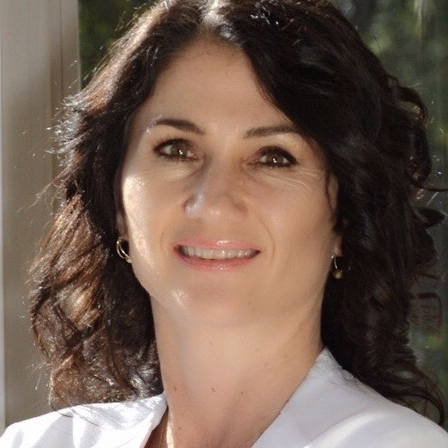
By Dr. Kristi Vaughan, DC, BCN, IFMCP, BSBA.
If you are searching for a functional neurologist, you may want more than a label. You may be trying to understand brain fog, dizziness, headaches, sensory changes, balance concerns, cognitive changes, or another symptom that has not yet been explained. A thoughtful evaluation should begin with your story, a careful nervous-system assessment, and a clear plan for what needs to be evaluated next.
Short answer: A functional neurologist evaluation may include a detailed history and a neurological examination. It may also include a review of prior records and testing, plus discussion of sleep, nutrition, stress, movement, medications, exposures, and other health factors. Referrals or additional testing may be appropriate. The exact evaluation depends on your symptoms. No single scan, questionnaire, or brainwave pattern can explain every person’s experience or determine treatment by itself.
Schedule a free health assessment.
Call (714) 434-9355 to schedule your free health assessment.
This educational guide is for adults in Orange County and throughout California who want to prepare for a brain-health conversation. Vaughan Vitality Wellness provides telemedicine care for eligible patients in California and Georgia, so a first conversation may begin from home when appropriate. Telemedicine does not replace emergency care or every type of in-person examination.
What Does “Functional Neurologist” Mean?
The phrase functional neurologist can refer to different care models, so it is worth asking what a provider means by it. A neurologist is a physician who evaluates and treats disorders of the nervous system. A functional medicine clinician may look at neurological concerns in the context of the person’s complete health history, including body systems, daily habits, environmental factors, and patterns that may be relevant to the patient’s goals. The term is not a standardized physician specialty. A provider’s license, credentials, diagnostic authority, and referral scope can vary.
These approaches do not need to be framed as opposing medical models. A patient may need a conventional neurological evaluation, emergency assessment, primary care coordination, or specialty referral while also wanting a broader conversation about health patterns. The responsible question is not whether one provider or one test can explain everything. It is which qualified clinician can answer the question in front of you safely and coordinate the next step.
Before scheduling, ask about the provider’s training and the conditions they evaluate. Ask whether they perform a neurological examination, what testing they can and cannot interpret, and how they coordinate referrals. Also ask whether the visit is offered by telemedicine or in person. Vaughan Vitality’s care model is telemedicine-first for eligible patients, while its Costa Mesa address remains a business location and should not be read as a promise of in-person appointments.
What May Happen During an Evaluation?
The sequence varies by provider and by symptom. A neurological exam commonly uses questions and simple physical tests to assess how parts of the nervous system are working. MedlinePlus describes a neurological exam as including areas such as mental status, senses, muscle movement, balance, coordination, reflexes, sensation, and selected autonomic functions. Your clinician may not perform every part of an exam at every visit.
| Evaluation area | What you may discuss or experience | Why it matters |
|---|---|---|
| Symptom history | When symptoms began, how they changed, triggers, patterns, severity, and effect on work, relationships, sleep, and daily activities. | Timing and patterns help the clinician decide what questions, examinations, or referrals are appropriate. |
| Medical and family history | Past diagnoses, injuries, infections, surgeries, medications, supplements, family history, and prior neurological or mental-health care. | Context can change the safety considerations and the next diagnostic step. |
| Neurological examination | Depending on the visit, checks of attention, memory, speech, eye movements, strength, sensation, reflexes, coordination, gait, balance, or movement. | Findings can help identify whether further evaluation is needed and what type may be useful. |
| Whole-person health review | Sleep, nutrition, movement, stress, hormones, digestive health, exposures, hydration, and other factors relevant to your history. | These factors may affect how symptoms are experienced and can help organize supportive questions without proving a single cause. |
| Records and testing review | Prior imaging, laboratory reports, sleep studies, neuropsychological testing, QEEG reports, and specialist notes when available. | Reviewing what has already been done can reduce repetition and clarify what remains uncertain. |
| Care coordination | Discussion of follow-up, appropriate referrals, additional testing, symptom support, and warning signs that need urgent attention. | A clear plan makes it easier to know who is responsible for each next step. |
Questions to Bring to the Visit
Preparing a short timeline can make an evaluation more useful. You do not need to diagnose yourself. Bring the observations that help a clinician understand what has changed and what you need help deciding.
- What is the main symptom or function I want to improve, and when did it start?
- What makes it better or worse, including sleep loss, meals, exercise, stress, illness, screens, or changes in medication?
- Have I had a head injury, infection, new medication, major life change, or exposure before the symptoms began?
- What tests, scans, laboratory results, or specialist opinions have I already received?
- How do the symptoms affect work, driving, exercise, relationships, sleep, or daily independence?
- What would make you refer me to a neurologist, emergency department, primary care clinician, or another specialist?
- What can be evaluated by telemedicine, and what requires an in-person examination?
- How will we know whether the next step is helping, and when should the plan be reviewed?
How the Functional Medicine Context Fits
A whole-person review should add context, not replace the neurological differential diagnosis or appropriate medical testing. At Vaughan Vitality, the broader conversation can be organized through the 7 Pillars of Health and the H.E.A.L.I.N.G. framework. In practical terms, that means asking what may be contributing to the patient’s health pattern, identifying possible triggers, supporting replenishment and repair, and working toward sustainable rebalancing and thriving.
That framework does not establish that a food, hormone, toxin, gut symptom, or brainwave pattern caused a neurological complaint. It is a way to organize questions and support a coordinated plan when those topics are relevant. For example, sleep disruption may be important to discuss in a cognitive-health evaluation, but poor sleep alone does not diagnose a neurological condition. Similarly, a digestive symptom may be part of a patient’s overall story, but it does not prove that the gut is the cause of a brain symptom.
The functional medicine care approach may be relevant for patients who want an individualized review of these broader patterns. Patients may also want to read the guide to the gut-brain connection when digestive and cognitive concerns overlap. Those resources are educational and should be considered alongside appropriate medical care.
Where QEEG and Neurofeedback May Fit
Some patients ask whether QEEG brain mapping or neurofeedback should be part of a functional neurologist evaluation. A QEEG may provide information about electrical activity recorded during a particular test, while neurofeedback is a training approach that uses feedback during sessions. Their usefulness depends on the clinical question, the quality and interpretation of the recording, the patient’s history, and the larger evaluation.
A QEEG pattern should not be treated as a stand-alone diagnosis. Alpha or theta activity, for example, should not be presented as independently explaining depression, anxiety, cognitive decline, or another condition. Brainwave findings are contextual signals, not a substitute for a full history, neurological examination, medical assessment, or appropriate referral.
If you are considering this type of testing, review what QEEG brain mapping may show. Ask what question the test is meant to answer. Ask how the result would change the care plan. Vaughan Vitality also explains its neurofeedback therapy and brain-training approach for patients who want to understand the difference between an assessment and a training program.
Brain Health and the Next Step
Brain health is broader than the absence of a diagnosis. The American Academy of Neurology’s Brain Health Initiative describes brain health as supporting optimal neurological function across physical, mental, and social well-being. That perspective can encourage practical conversations about movement, sleep, mental health, social connection, cognitive engagement, and prevention while respecting the need for individualized medical care.
For patients concerned about memory or cognitive changes, Vaughan Vitality’s cognitive decline information can help you identify questions for a qualified care team. A patient with sudden weakness, facial drooping, trouble speaking, a severe sudden headache, new confusion, or loss of consciousness may need emergency care. Call 911 or seek emergency care rather than waiting for a wellness consultation.
Before choosing a provider, look for careful listening, transparent scope, appropriate safety screening, clear explanations of uncertainty, and a plan for coordination. Be cautious of anyone who promises to find one root cause for every symptom, says a single test determines your treatment, discourages appropriate medical care, or guarantees a result.
What a Good Evaluation Should Make Clear
By the end of an initial visit, you should have a better understanding of the working questions, not necessarily a complete diagnosis. Ask the clinician to explain which findings are reassuring, which findings need follow-up, and which symptoms would change the level of urgency. It is reasonable to ask what the provider knows, what remains uncertain, and what information would help resolve that uncertainty.
A useful plan should also identify the next owner for each action. That might include a primary care clinician, neurologist, sleep specialist, physical therapist, mental-health professional, or another qualified provider. If laboratory testing, imaging, or a QEEG is suggested, ask why it is being recommended and how the result would affect the plan. Testing should answer a clinical question rather than create a long list of findings without a clear use.
Finally, ask how progress will be tracked. Depending on the concern, that could include a symptom diary, sleep and activity measures, functional goals, medication review, or a planned follow-up. A supportive care conversation should respect your preferences while keeping safety, evidence, and coordination at the center.
Schedule a free health assessment.
Frequently Asked Questions
Is a functional neurologist the same as a neurologist?
Not necessarily. “Functional neurologist” is used differently by different practices. A neurologist is a physician specializing in the nervous system. A functional medicine clinician may use a broader health-history framework and may coordinate with a neurologist or another medical specialist. Ask about credentials, scope, examination, referrals, and the type of care offered.
What should I bring to a functional neurologist appointment?
Bring a current medication and supplement list, a symptom timeline, relevant family history, prior imaging and laboratory reports, specialist notes, and a list of questions. Note changes in sleep, movement, diet, stress, illness, injury, or medication around the time symptoms began.
Can a functional neurologist diagnose a neurological condition?
That depends on the provider’s license, credentials, scope, and the clinical question. The phrase “functional neurologist” is not a standardized physician specialty, so verify who is legally qualified to diagnose and treat your concern. A QEEG, questionnaire, or wellness assessment cannot independently establish every neurological diagnosis. Ask who will interpret findings, what additional evaluation may be needed, and when referral to a board-certified neurologist or emergency clinician is appropriate. A Vaughan Vitality telemedicine health assessment does not replace physician neurology evaluation, emergency care, or an examination that requires an on-site setting.
Can a neurological evaluation be done by telemedicine?
Some history-taking, records review, education, and care planning can be done by telemedicine. Certain examination elements, vital signs, procedures, imaging, laboratory work, and urgent assessments may require an in-person setting. The clinician should explain what can be evaluated remotely and what cannot.
When should I seek urgent neurological care?
Seek emergency care for sudden or rapidly worsening neurological symptoms. Examples include new one-sided weakness or numbness, facial drooping, trouble speaking, sudden vision loss, a severe sudden headache, new seizure, severe confusion, or loss of consciousness. Call 911 when symptoms may indicate a medical emergency.
A Clearer Conversation About Your Care
A functional neurologist evaluation should help you understand what is known, what remains uncertain, and what should happen next. The best plan may include more than one clinician, and it should match your symptoms, risks, goals, and available evidence. A broader functional medicine conversation can be one part of that process when it is handled with appropriate qualifications and coordination.
Call (714) 434-9355 to discuss your next step.
Medical disclaimer: THIS WEBSITE DOES NOT PROVIDE MEDICAL ADVICE. The information, including but not limited to, text, graphics, images and other material contained on this website are for informational purposes only. No material on this site is intended to be a substitute for professional medical advice, diagnosis or treatment. Always see the advice of your physician or other qualified health care provider with any questions you may have regarding a medical condition or treatment. Before undertaking a new health care regimen of any kind, never disregard professional medical advice or delay in seeking it because of something you have read on this website.