
If you are exploring functional medicine for psoriasis, you may want a broader conversation than a discussion of visible skin changes alone. Psoriasis is a chronic, relapsing inflammatory skin disease, and its course can vary from person to person. A whole-person discussion can help you organize questions about your health, daily routines, and care goals while keeping your dermatologist involved.
Schedule a free health assessment
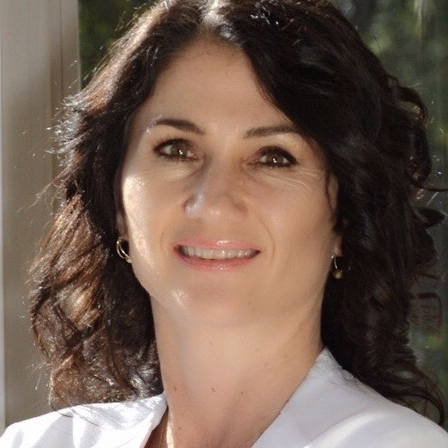
By Dr. Kristi Vaughan, DC, BCN, IFMCP, BSBA.
What does functional medicine for psoriasis mean?
Functional medicine looks at a person’s health in context. In a conversation about psoriasis, that may mean reviewing the history of your skin symptoms alongside sleep, stress, digestion, nutrition, medications, and other health concerns. The aim is to understand the full picture and identify questions worth discussing, not to assume that one hidden factor explains every case.
Psoriasis is a recognized inflammatory skin condition. It is not a personal failing, and a flare does not mean you did something wrong. Its causes and patterns are complex. A root-cause framework can help you explore possible contributors to your overall health, but it is not a guaranteed way to control or eliminate psoriasis.
At Vaughan Vitality & Wellness, that conversation follows the Vaughan Vitality Roadmap rather than a generic checklist. You can also read about the practice’s functional medicine approach. Any discussion of psoriasis should stay coordinated with appropriate dermatology care.
How does the Vaughan Vitality Roadmap shape this conversation?

The Roadmap is the practice’s three-phase way of organizing a whole-person visit. It sits on the 7 Pillars of Health and the H.E.A.L.I.N.G. framework: find the root cause, remove the triggers, replenish and repair, then rebalance and thrive. For someone asking about psoriasis, those phases help sort questions. They do not replace a dermatologist’s diagnosis or treatment plan.
- Review and identify. The visit starts with your history, prior labs, current dermatology care, and what you want help understanding. Digestion, hormones, sleep, stress, and energy may be reviewed when they are part of your story. Extra testing is considered only when a result could change the next conversation.
- Remove and repair. If the history points to possible contributors, the discussion may cover inflammatory burden, environmental exposures, nutrition gaps, and gut integrity. Repair here means supporting foundations such as sleep, meals, and the gut lining. It does not mean stopping prescribed psoriasis treatment.
- Rebalance and replenish. Later steps look at hormones, blood sugar, nervous-system balance, and habits you can keep. Brain health belongs in this phase too, including how gut symptoms and inflammation can affect focus, mood, and sleep. The goal is a clearer plan, not a promise that skin symptoms will resolve.
Used this way, functional medicine for psoriasis is a structured conversation beside dermatology care. A phase is skipped or shortened when it does not fit your history. Nothing in the Roadmap asks you to delay urgent skin or joint care.
What questions might a whole-person conversation cover?
A useful appointment begins with your priorities. You might want to talk about how long you have had symptoms, what has changed, what you have already tried, and how the condition affects your everyday life. The practitioner may also ask about your broader health history so the discussion does not focus on skin in isolation.
- Symptom history: When did changes first appear? Have they been steady, intermittent, or associated with particular life events?
- Current care: What has your dermatologist diagnosed or recommended? Which treatments are you using, and what questions do you have about them?
- Other symptoms: Are there concerns involving digestion, energy, mood, sleep, or joint discomfort that you want to raise?
- Daily patterns: What do meals, movement, rest, stress, and routines look like for you?
- Goals: What would make the conversation useful: better coordination, clearer questions, or a more organized view of your health history?
These questions are not a diagnostic checklist. A digestive symptom or a stressful period does not prove that it caused psoriasis. A careful practitioner should separate what is known, what is uncertain, and what might merit discussion with your dermatologist or another clinician.
How can you compare different kinds of support?
People often use the phrase “root-cause care” to mean different things. Comparing the roles of dermatology, the Roadmap conversation, and self-directed changes can make it easier to decide what belongs in your plan. This table is a discussion aid, not a substitute for individualized care.
| Option | What it can focus on | Questions to ask |
|---|---|---|
| Dermatology care | Assessment of skin symptoms, diagnosis, and treatment options for psoriasis. | What is my diagnosis? What are the benefits, risks, and alternatives for the options you recommend? |
| Vaughan Vitality Roadmap | Review and identify, remove and repair, then rebalance and replenish, using the 7 Pillars of Health. | Which phase fits my history? How will this complement my dermatology care? |
| Personal tracking | A simple record of symptoms, routines, and treatment use over time. | What should I track, and how can I avoid drawing conclusions from a short-term change? |
| Major diet or supplement change | A proposed change that may affect nutrition, medication routines, or other aspects of health. | Should I check with my clinician first? How will we assess whether it is appropriate? |
What does research say about psoriasis and wider health?
Research describes psoriasis as a chronic, relapsing inflammatory skin disease. A wider health conversation can be useful because of that, but people do not all share the same factors or need the same plan. A review indexed by the National Library of Medicine looks at natural-product research. Reviewing possible approaches is not proof that a product is effective or right for you. Read Promising strategies in natural products treatments of psoriasis with that limit in mind.
Diet is another subject patients ask about. Published dietary recommendations for adults with psoriasis or psoriatic arthritis support weight reduction when someone is overweight or obese. That is not a universal diet, and food changes do not replace psoriasis treatment. The guidance is described in Dietary Recommendations for Adults With Psoriasis or Psoriatic Arthritis. Ask a qualified clinician whether any dietary change fits your circumstances before you start one.
In practice, evidence needs careful interpretation. A study may examine a specific population, intervention, or outcome, and its findings may not apply directly to you. Be cautious of promises that a single test, supplement, detox plan, or food list will resolve psoriasis.
Could digestion, hormones, sleep, or stress matter?
These topics can be part of a broader health history. They are not, by themselves, proof of a psoriasis trigger. If digestion has been an ongoing concern, describe the symptoms and their timing rather than assuming a cause. The practice has pages on gut health and digestive concerns that can help you prepare questions.
Gut symptoms also connect to brain health. Poor digestion, inflammation, and broken sleep can show up as brain fog or low mood. That is why the gut-brain connection belongs in the same conversation, as context rather than as an explanation for psoriasis.
Changes in sleep, stress, or hormones can affect how you feel day to day. It may help to document those changes and discuss them in context, especially if they persist. A conversation about hormone health should focus on your history and appropriate evaluation, not on assuming a hormonal explanation for skin symptoms.
Questions about energy, concentration, or mood deserve attention in their own right. You can review the practice’s material on ongoing or unexplained health concerns and bring specific questions to your health team. A connection between two symptoms should not be assumed just because they occur together.
How can you track patterns without over-interpreting them?
A brief, consistent record can help you and your clinicians remember what happened and when. It does not need to be elaborate. Choose a format you can maintain for a few weeks, and avoid several major changes at once unless a clinician has advised them.
- Note what you observe. Record dates, the general pattern of skin changes, symptoms that concern you, and relevant appointments or treatment changes. Follow your clinician’s guidance about documenting skin findings.
- Keep routine notes simple. If helpful, record broad details about sleep, stress, activity, and meals. Do not assume that a food or event caused a change based on one observation.
- Include treatment information. Write down the treatments or products you use, when you use them, and any questions. Do not stop prescribed care to test a theory without speaking with the prescriber.
- Review the record with a clinician. Look for questions to discuss, not a self-made diagnosis. A clinician can help judge whether a pattern is meaningful or whether another explanation is more likely.
If tracking makes you anxious or overly focused on symptoms, simplify it or stop and ask your clinician for another approach. The goal is to support a conversation, not to monitor yourself constantly.
What should you ask before trying a new diet or supplement?
“Natural” does not automatically mean safe, appropriate, or compatible with medication. Supplements can have side effects and interactions, and restrictive diets can make it harder to meet nutritional needs. Get individualized advice before changing a medication routine, starting supplements, or removing major food groups.
- What is the reason for considering this change in my case?
- What evidence supports it, and what is still uncertain?
- Could it interact with a medication, a health condition, or another supplement I use?
- How long would I try it, and what would count as a reason to stop?
- Who will help monitor it, and when should we review the plan?
Be wary of advice that says everyone with psoriasis must avoid the same foods or take the same products. A plan should respect your medical history, preferences, nutritional needs, and existing care. If you want help organizing questions about food, the practice’s nutrition information is a starting point for a conversation, not a personalized prescription.
How can functional medicine complement dermatology care?
Complementary care should add a useful perspective without asking you to give up care that is working or to delay evaluation. Keep your dermatologist informed about changes you are considering, particularly medication, supplements, or a substantial diet change. If you have questions about a treatment’s benefits or risks, ask the clinician who recommended it before deciding.
A coordinated approach can keep your priorities clear. Ask each clinician to explain their role, what they are evaluating, and how information will be shared with your permission.
Vaughan Vitality & Wellness is based in Costa Mesa and serves Orange County by telemedicine appointment. The practice also offers telemedicine for California and Georgia. The Costa Mesa address supports local search. All visits are held by telemedicine.
For context on the practice, visit About Vaughan Vitality & Wellness. Use an introductory conversation to share your goals and ask whether the Roadmap fits the kind of support you are seeking. People with a broader autoimmune history may also find the autoimmune program guide useful as background, not as a psoriasis protocol.
When should you seek prompt medical attention?
Contact a qualified clinician if skin symptoms are changing quickly, painful, widespread, or interfering with daily life, or if you are uncertain about a diagnosis. Seek urgent care for severe symptoms or signs of a serious reaction. If you have new or worsening joint symptoms, tell your clinician so they can advise whether further evaluation is appropriate. Do not wait for a wellness appointment when you need prompt medical attention.
How can you evaluate a proposed plan?
When someone suggests a test, treatment, supplement, or lifestyle program, ask for a clear explanation before deciding. A good discussion should leave room for uncertainty. You can ask what the proposal is intended to clarify, how the result would change your care, and what the downsides are. A test may provide information without identifying a cause or determining the right treatment on its own.
It can also help to separate a recommendation into the question, the next step, and the follow-up.
- The question. What concern are you trying to understand? Make sure it connects to your symptoms or goals rather than being offered as a routine answer for everyone.
- The next step. What might you do after the result or trial? If no possible result would change the plan, ask why the step is useful.
- The follow-up. Who will review the findings with you, and when? Ask how to handle unexpected results or new symptoms.
You do not have to decide during an appointment. You can take notes, request written information, and discuss a recommendation with the clinician who manages your psoriasis care. Keep copies of relevant results and a current medication or supplement list so your care team sees the same information. If recommendations conflict, ask the clinicians to clarify their reasoning rather than reconciling the advice alone.
These steps support an informed choice without assuming that more testing is always better. The most useful plan is relevant to your needs, clearly explained, and coordinated with appropriate care.
Schedule a free health assessment
Frequently Asked Questions
Can functional medicine diagnose psoriasis?
This article is not a diagnostic tool. A qualified clinician, often a dermatologist, assesses skin symptoms and discusses diagnosis and treatment. A whole-person conversation may add context about your health history, but it should not replace a dermatology evaluation.
Does a root-cause approach mean psoriasis has one hidden cause?
No. Psoriasis is complex, and people have different histories and needs. Reviewing possible contributors can organize questions. It does not prove that one factor caused the condition or that removing it will resolve symptoms.
Should I stop my psoriasis medication while exploring lifestyle changes?
Do not stop or change prescribed treatment without speaking with the clinician who prescribed it. If you have concerns about a medication, discuss its benefits, risks, and alternatives with that clinician.
Is a special diet required for psoriasis?
This article does not recommend one diet for everyone. Published guidance may apply to particular groups, and nutrition needs are individual. Discuss any proposed diet with a qualified clinician before restricting foods or changing your treatment routine.
What should I bring to a health assessment?
Bring your main questions, a list of current treatments and supplements, relevant health history, and any notes about symptoms or routines. You do not need a perfect record. A short list of what matters most is enough to start the Roadmap conversation.
Take a thoughtful next step
If you want to discuss broader health concerns beside your current psoriasis care, request a free health assessment. Ask how the Vaughan Vitality Roadmap would apply to your own history, and which phase would come first.
Psoriasis care is personal, and a thoughtful plan starts with your questions. It also needs qualified clinical guidance and a clear view of what is known versus what is still uncertain.