When chronic symptoms persist, the hardest part is often knowing which medical model can help you make sense of the whole picture. Integrative, functional, and naturopathic medicine share an interest in personalized care, but they are not interchangeable terms.
Understanding integrative medicine vs functional medicine vs naturopathic starts with their different roles: integrative medicine coordinates whole-person care, functional medicine looks for connections and root causes across body systems. And naturopathic medicine applies a distinct natural-medicine tradition through appropriately trained practitioners. Vaughan Vitality brings compatible elements of these models together to support people navigating chronic, autoimmune, thyroid, gut, toxicity, and cognitive concerns.
That blended perspective does not require dismissing conventional care. It creates room for a more complete conversation about your history, symptoms, systems, and goals. For a deeper look at the practice’s root-cause approach to thyroid and autoimmune concerns, explore Thyroid and Autoimmune Care: Functional Medicine Answers for Hashimoto’s and Chronic Disease.
Schedule a free health assessment
First, it helps to define what integrative medicine means and where its focus overlaps with functional medicine.
How Do Integrative, Functional, and Naturopathic Medicine Models Differ?
Integrative medicine is a whole-person approach that brings conventional and complementary care together in a coordinated plan. Rather than focusing on one organ system in isolation, it considers how physical health, mental and emotional well-being, daily habits, relationships, and other relevant factors may interact. The National Center for Complementary and Integrative Health explains that integrative health emphasizes care for the whole person and coordination among providers.
What does integrative medicine include?
The word integrative describes a way of organizing care, not one specific license or profession. A trained clinician may use an integrative model when appropriate, coordinating standard medical care with complementary approaches. Depending on the person’s needs and the provider’s training, those approaches may include acupuncture, yoga, nutrition support, or probiotics. Conventional care may include medication, physical rehabilitation, or psychotherapy. When a complementary approach is used alongside conventional care, it is considered complementary, rather than a replacement for that care.
Coordination is essential. A responsible integrative plan should make room for relevant diagnoses, medications, contraindications, referrals, and follow-up. It should also respect the patient’s goals and recognize that different medical models can contribute different types of expertise. Integrative medicine is not a promise that every therapy will work for every person. And it should not encourage someone to stop prescribed treatment without speaking with the prescribing clinician.
How to understand integrative medicine vs functional medicine vs naturopathic care
Functional medicine is more specific in its method. It is a systems-oriented approach that looks for relationships among body systems and investigates factors that may contribute to persistent symptoms or chronic illness. Instead of asking only which symptom needs attention, a functional medicine practitioner may ask how nutrition. Digestion, immune signaling, hormones, sleep, stress, environmental exposures, and nervous-system function could be connected. The goal is to help identify and address possible root causes while using appropriate testing and clinical judgment. Functional medicine has also been described in the medical literature as an operating system for integrative medicine, which reflects how the two approaches can overlap.
These terms are related, but they are not interchangeable. Integrative medicine describes the broader whole-person framework and the coordination of conventional and complementary care. Functional medicine describes a systems-based reasoning process for understanding patterns and potential underlying contributors. Naturopathic medicine is different again: it is a distinct profession with its own educational pathway, doctorate, licensing requirements, and scope of practice. Naturopathic clinicians may use natural and holistic therapies, and their training and legal authority vary by jurisdiction.
Where the approaches overlap
There can be meaningful overlap when a patient has a complex, ongoing concern. A provider may use an integrative framework to coordinate care, a functional medicine method to organize a root-cause investigation. And complementary therapies that fit the patient’s preferences and clinical situation. Neither integrative medicine nor functional medicine is inherently better. They begin with different questions and can be used together when the care plan is appropriately supervised.
At Vaughan Vitality, the approach combines integrative medicine with functional medicine, chiropractic neurology, and neurofeedback. Patients exploring this whole-person model can learn more about integrative medicine for fatigue and discuss whether an individualized evaluation is appropriate. The purpose is to support a clearer understanding of the factors involved, not to guarantee a particular diagnosis or outcome.
What Is a Naturopathic Doctor and How Does Their Training Compare?
When people compare integrative medicine vs functional medicine vs naturopathic care, one important distinction is often missed: these terms do not all describe the same kind of professional credential. A naturopathic doctor, or ND, is trained through a distinct medical education pathway. Functional medicine, by contrast, is a clinical methodology that can be added to another licensed clinician’s training.
What education does a naturopathic doctor complete?
Licensed naturopathic physicians complete graduate-level education at a naturopathic medical school accredited by the Council on Naturopathic Medical Education. The resulting ND degree belongs to a distinct health profession with its own licensing requirements. In states where naturopathic physicians are licensed, patients may seek them for primary care, general well-being, and treatment of illness.
Naturopathic medicine developed from a combination of traditional practices and health care approaches popular in 19th-century Europe. Today, the model generally emphasizes prevention, the body’s capacity for self-healing, and natural or non-toxic therapies. It may incorporate lifestyle factors such as physical activity, nutrition, and stress management. The National Center for Complementary and Integrative Health describes naturopathy as a system that aims to address the root cause of disease while taking a holistic approach.
Scope of practice and licensing details can vary by state. Someone considering an ND should confirm the provider’s current license and the services permitted in the state where care is delivered.
How does an ND compare with an MD?
An MD completes conventional medical school and clinical training within the conventional medical model. That pathway is designed to evaluate, diagnose, and treat health conditions using the tools and standards of conventional medicine. An ND completes a different graduate medical pathway that places more emphasis on prevention, natural therapies, and the body’s self-healing processes.
These are two different medical models, not a simple ranking of one profession over the other. Each clinician’s education, scope, experience, and approach matter. Conventional medical care can be essential for urgent evaluation and treatment. Naturopathic care may appeal to patients looking for a broader discussion of lifestyle, prevention, and possible contributing factors. The right choice depends on the person’s needs and the provider’s qualifications. Coordinated care may also involve more than one type of clinician.
Where does functional medicine fit?
Functional medicine is not a separate license or a replacement for a clinician’s underlying license. It is a systems-oriented methodology and professional training pathway that a licensed clinician can adopt. The Institute for Functional Medicine Certified Practitioner, or IFMCP, credential indicates training in a root-cause and systems-oriented approach. It does not turn every clinician into an ND or an MD.
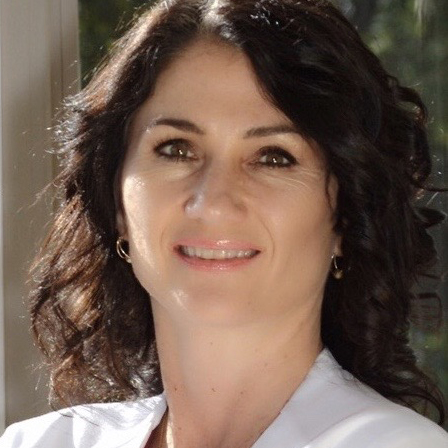
Dr. Kristi Vaughan illustrates this distinction. Her credentials include DC, BCN, IFMCP, and BS. As a clinician with chiropractic and board-certified neurofeedback credentials alongside functional-medicine training, she brings a particular combination of clinical education and methodology to patient care. You can learn more about a functional medicine doctor in Orange County and how this approach may fit into a broader care plan.
Understanding the credential behind the title helps patients ask better questions: What license does this provider hold? What training supports the services offered? How will the clinician coordinate with other members of the care team? Those questions are more useful than assuming that integrative, functional, or naturopathic automatically means the same thing.
Which Approach Is Right for Chronic Illness vs. Acute Care?
The question is not whether one medical model is always better. It is whether the model matches the situation in front of you. Integrative, functional, and naturopathic approaches can be especially useful when symptoms are persistent, several body systems may be involved, and identifying contributing factors could inform a longer-term plan. Conventional medical care remains essential when a condition is acute, unstable, or potentially life-threatening.
These approaches can also work together. The National Center for Complementary and Integrative Health distinguishes a complementary approach. Which is used alongside conventional medicine, from an alternative approach, which is used in place of it. That distinction matters. Thoughtful care should support appropriate referrals, testing, medication, emergency treatment, and ongoing communication when those services are needed.
| Approach | Primary focus | Often best suited for | Examples of therapies or tools |
|---|---|---|---|
| Integrative medicine | Whole-person care that coordinates conventional and complementary approaches. | Complex chronic concerns where physical, emotional, behavioral, and lifestyle factors may all matter. | Medication when appropriate, physical rehabilitation, psychotherapy, nutrition, stress support, acupuncture, or other coordinated services. |
| Functional medicine | Systems-oriented investigation of factors that may contribute to symptoms and chronic disease. | Persistent or multi-system concerns such as autoimmune issues, thyroid disorders, gut dysfunction, mold or environmental toxicity concerns, and cognitive decline. | Detailed history, systems-based assessment, individualized nutrition and lifestyle support, and clinically appropriate testing or referrals. |
| Naturopathic medicine | Prevention and care that emphasizes root causes, holistic practices, and the body’s capacity for healing. | Primary care, prevention, and selected chronic concerns, depending on the practitioner’s training, scope, and state licensure. | Nutrition, physical activity, stress management, and other natural or non-toxic therapies within the practitioner’s scope. |
| Conventional medicine | Diagnosis, symptom management, medication, procedures, and rapid stabilization when clinically necessary. | Emergency symptoms, acute infections or injuries, severe or rapidly changing symptoms, surgery, and life-threatening conditions. | Medication, physical rehabilitation, psychotherapy, imaging, procedures, hospital care, and emergency services. |
When chronic illness requires a broader investigation
Chronic illness rarely follows a simple, single-organ pattern. A person may be managing fatigue, digestive changes, thyroid symptoms, immune concerns, exposure concerns, or cognitive changes at the same time. In these situations, a root-cause and systems perspective can help organize the questions: What patterns connect the symptoms? Which factors could be influencing more than one system? What should be evaluated, supported, monitored, or referred?
Functional medicine is one methodology for this kind of investigation. Integrative medicine adds a whole-person and coordination framework, while naturopathic medicine brings its own licensed profession and natural-medicine tradition. There is overlap, but these terms are not interchangeable. Training, legal scope, and clinical tools vary by provider and location.
When conventional care should come first
Do not delay emergency or conventional medical care for a functional or naturopathic evaluation. Chest pain, trouble breathing, signs of stroke, severe allergic reactions, major injuries, loss of consciousness, or rapidly worsening symptoms require urgent assessment. Conventional services may also be the right partner for imaging, procedures, medication management, surgery, or treatment that needs close medical supervision.
For a fuller discussion of how the models differ and where they can complement one another, read this guide to functional medicine vs conventional medicine. The goal is not to force a choice. It is to build a safe, coordinated plan that addresses immediate needs while leaving room to investigate the factors that may be sustaining chronic symptoms.
Why Vaughan Vitality Combines All Three Modalities
Choosing between integrative medicine, functional medicine, and naturopathic care can make it seem as though one model must replace the others. Vaughan Vitality takes a different approach. The practice combines complementary strengths so care can remain focused on the whole person while also examining how body systems interact and how the nervous system may influence a person’s experience of health.
One patient, more than one clinical lens
Functional medicine provides the root-cause, systems-oriented lens. As an Institute for Functional Medicine Certified Practitioner, Dr. Kristi Vaughan is trained to look beyond an isolated symptom and consider relationships among areas such as digestion, immune function, thyroid health, environmental exposures, and cognitive health. This does not mean every symptom has one hidden cause, or that one treatment is right for everyone. It means the clinical questions can be broader and more individualized.
The integrative framework adds a whole-person perspective. Rather than organizing care around only one organ system, it considers the person as a connected whole, including factors such as daily habits, stress, nutrition, and nervous-system regulation. Chiropractic neurology contributes another distinct lens through Dr. Vaughan’s licensed chiropractic training. BCN neurofeedback further supports the practice’s focus on brain and nervous-system function. These modalities are not presented as interchangeable. Each contributes a different way to assess a person’s needs and develop an appropriate plan.
That combined perspective can be especially relevant for people navigating complex, persistent concerns. Someone seeking support for autoimmune or thyroid issues may also be managing gut dysfunction, fatigue, environmental toxicity concerns, or changes in cognitive function. A systems-oriented evaluation can help organize those concerns without reducing the person to a single diagnosis. For a closer look at the practice’s thyroid and autoimmune perspective, see Thyroid and Autoimmune Care: Functional Medicine Answers for Hashimoto’s and Chronic Disease.
The Vitality Roadmap keeps the process connected
Vaughan Vitality uses a proprietary three-phase Vitality Roadmap built on the 7 Pillars of Health. This framework gives the different modalities a shared structure. Instead of collecting disconnected services, the goal is to understand where a patient is starting, identify priorities, and support progress in a deliberate sequence. The roadmap is used to address chronic conditions such as autoimmune disease, thyroid disorders, and cognitive decline, while keeping the plan responsive to the individual’s history and needs.
This is also where integrative medicine modalities may be considered for environmental concerns, including mold-related health questions. Learn more about the practice’s approach to integrative medicine modalities in that context. Any recommendation should be discussed within an individualized clinical relationship, and integrative care is not a promise of a particular outcome.
Access across California and Georgia
Patients do not have to live in Costa Mesa to explore whether this coordinated model fits their needs. Vaughan Vitality offers telemedicine for residents of California and Georgia, alongside its Orange County practice. Through telemedicine, combining these modalities allows the conversation to stay centered on the person. The patterns affecting health, and practical next steps rather than on choosing a single label.
Schedule a free health assessment
Frequently Asked Questions
Which is better, integrative medicine or functional medicine?
Neither model is inherently better. Integrative medicine coordinates conventional and complementary care around the whole person, while functional medicine uses a systems-oriented process to investigate how symptoms and body systems may connect. They can work together, especially when chronic concerns require both a broad care plan and a root-cause investigation. The National Center for Complementary and Integrative Health describes integrative health as combining conventional and complementary approaches.
Are naturopathic and integrative medicine the same?
No. Naturopathic medicine is a distinct medical system that emphasizes prevention, natural therapies, and holistic care. Integrative medicine is a broader care approach that can be used by trained clinicians to coordinate conventional and complementary methods. There may be overlap in how each considers lifestyle and root causes, but the terms describe different things. NCCIH identifies naturopathy as its own medical system.
Is an ND the same as an MD?
No. MDs and NDs complete different professional training and practice under different licensing systems. A licensed naturopathic physician completes graduate-level education at an accredited naturopathic medical school, while an MD trains through conventional medical school. Their scopes of practice also vary by state, so patients should review a provider’s credentials and services when choosing care.
How is naturopathic medicine different from functional medicine?
Functional medicine is a methodology that a qualified clinician can use to evaluate interconnected systems and possible contributors to chronic symptoms. Naturopathic medicine is a distinct licensed profession with its own educational pathway and scope of practice. A provider may use functional medicine principles without being a naturopathic doctor. At Vaughan Vitality, Dr. Kristi Vaughan is an IFMCP-trained chiropractor who combines functional medicine with chiropractic neurology and neurofeedback.
Ready to Schedule Your Free Health Assessment?
Understanding how integrative, functional, and naturopathic models differ can help you choose care that fits your health goals and the complexity of your concerns. Vaughan Vitality takes a whole-person, root-cause-focused approach to chronic care, with guidance tailored to your needs. To discuss your next step, schedule a free health assessment.